CT Scan in Lucknow — Computed Tomography
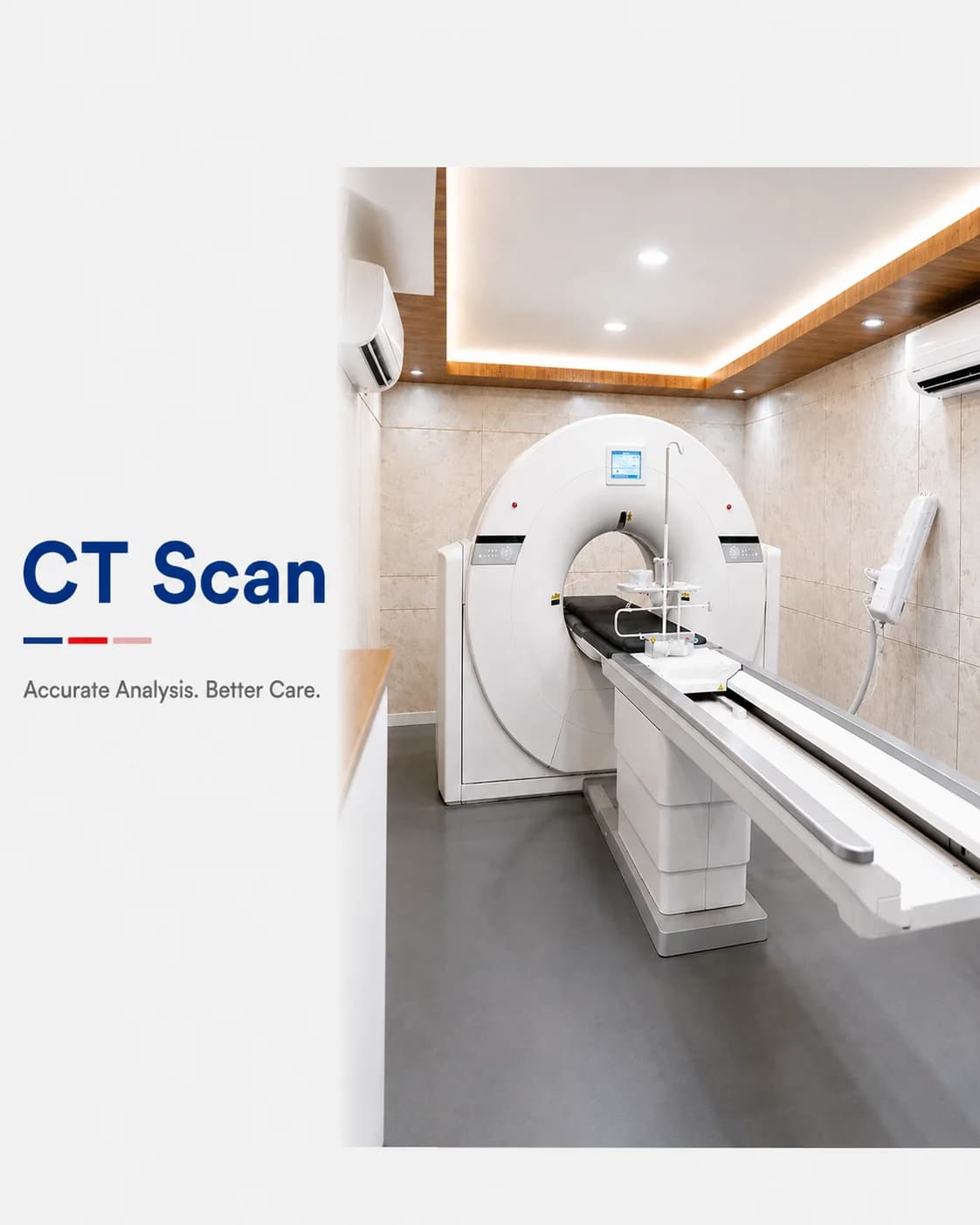
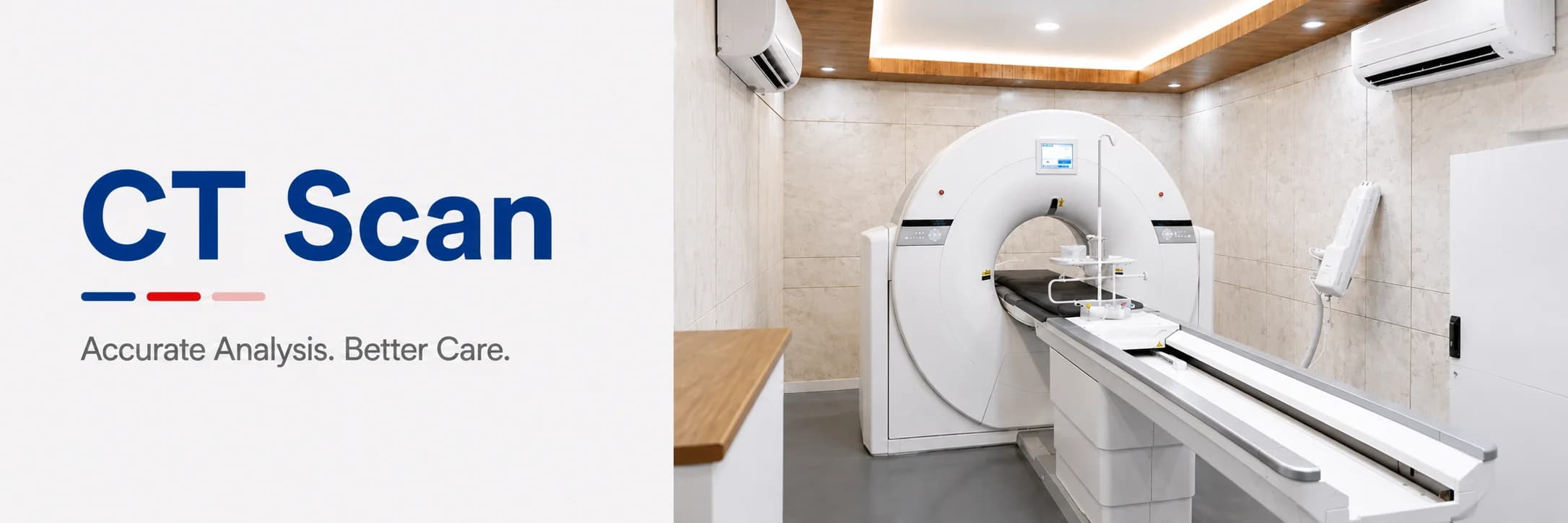
Fast, high-resolution cross-sections of the head, chest, abdomen and blood vessels.
A CT (Computed Tomography) scan takes a series of X-ray images from many angles and reconstructs them into detailed cross-sections — effectively slices through the body. It is fast, which makes it invaluable in emergencies, and it shows bone, lung and bleeding with a clarity other scans cannot match.
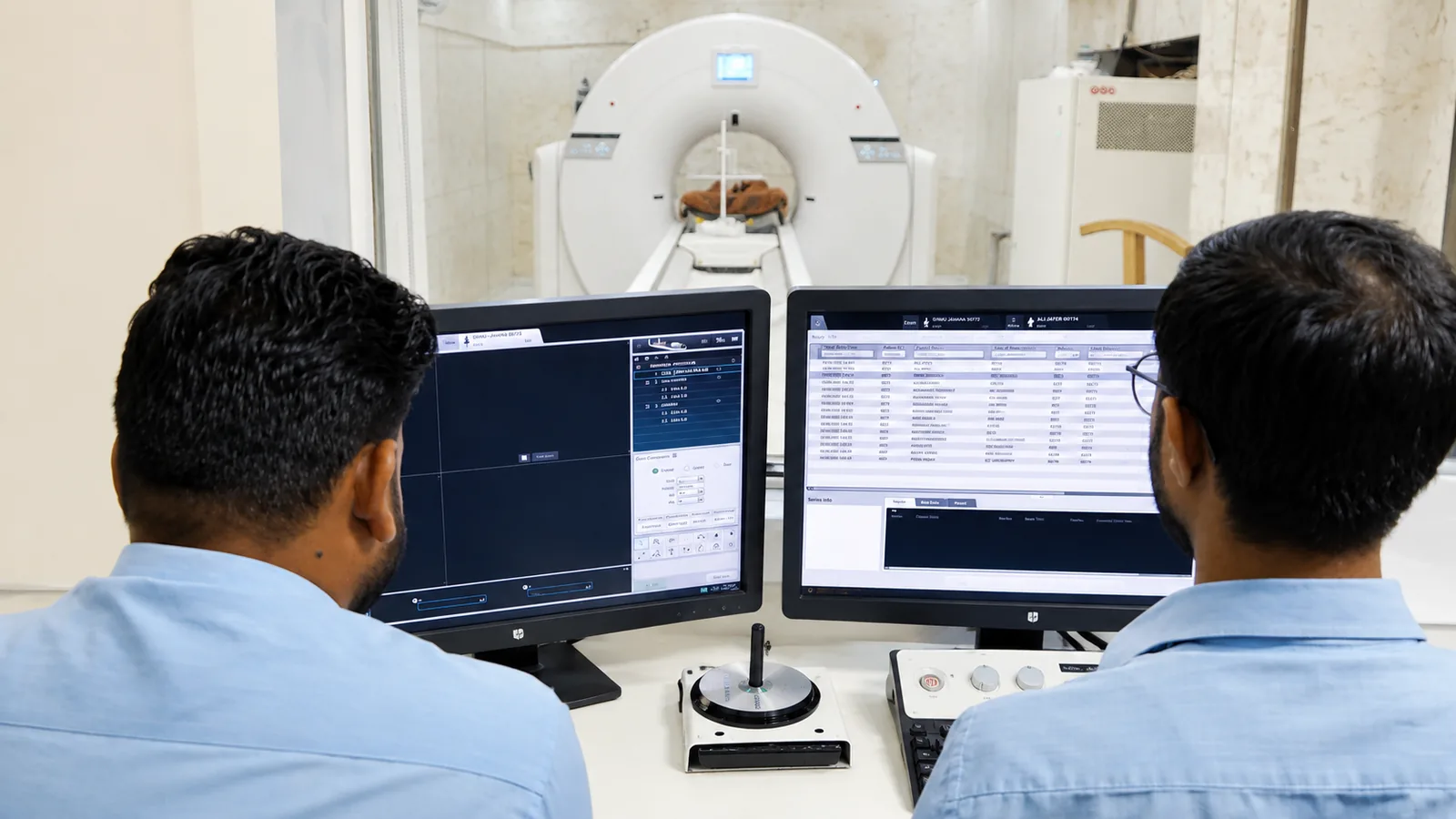
At Charak, CT dose is set to the lowest that still answers the clinical question and adjusted for each patient — a child's abdomen and an adult trauma scan should never run the same protocol. Studies are reconstructed and reported by consultant radiologists.
What a CT scan is good at
CT is exceptional at imaging the lungs (high-resolution HRCT), detecting bleeding after a head injury or stroke, assessing bone and complex fractures, and — with a contrast injection — mapping blood vessels in CT angiography.
Because a full scan takes seconds, it is often the first imaging used when a fast, definite answer is needed and a patient cannot lie still for long.
Your doctor may recommend a CT scan for
- Suspected stroke or bleeding after a head injury
- Persistent cough, breathlessness or a lung finding (HRCT chest)
- Abdominal pain, stones, or a suspected internal injury
- Complex fractures and bone assessment before surgery
- Mapping blood vessels — CT angiography of the heart, brain or limbs
How to prepare
If your scan uses contrast, tell us about any kidney problems, diabetes medication, or previous reaction to contrast dye beforehand — it changes how we prepare you.
- For a contrast study, you may be asked to fast for 4 hours before the scan
- Drink water normally unless told otherwise — being hydrated helps
- Wear metal-free clothing; you may be asked to change into a gown
- Bring a recent kidney function (creatinine) report if you have one and contrast is planned
- Tell us if you are, or might be, pregnant
What to expect on the day
- 01
Check-in and screening
We confirm your details, the area to be scanned, and — for contrast studies — your kidney function and any allergies.
- 02
Positioning
You lie on a table that moves slowly through a ring-shaped scanner. The opening is wide and you are not enclosed.
- 03
The scan
The scan itself takes seconds to a couple of minutes. You may be asked to hold your breath briefly so the lungs are still.
- 04
Contrast, if used
Contrast is given through a small vein in the arm; a warm flush for a few seconds is normal and passes quickly.
Common questions
Does a CT scan use radiation?
Yes, CT uses X-rays. The dose is set to the lowest that still answers the clinical question and adjusted for each patient, so the benefit of a clear answer is weighed against the exposure every time.
What is the contrast injection for?
Contrast dye highlights blood vessels and certain tissues, making them stand out. It is given through a small cannula in the arm and passes out of the body naturally over a day.
How long will I be at the centre?
The scan takes minutes, but allow around 30–45 minutes in total for check-in, positioning and, if you are having contrast, a short observation afterwards.
Can I drive myself home?
For almost all CT scans, yes. There is no sedation for a routine scan, so you can carry on with your day normally.
From the health library
Plain-language guides written by the team here — what the test measures, how to prepare, and what the result means.
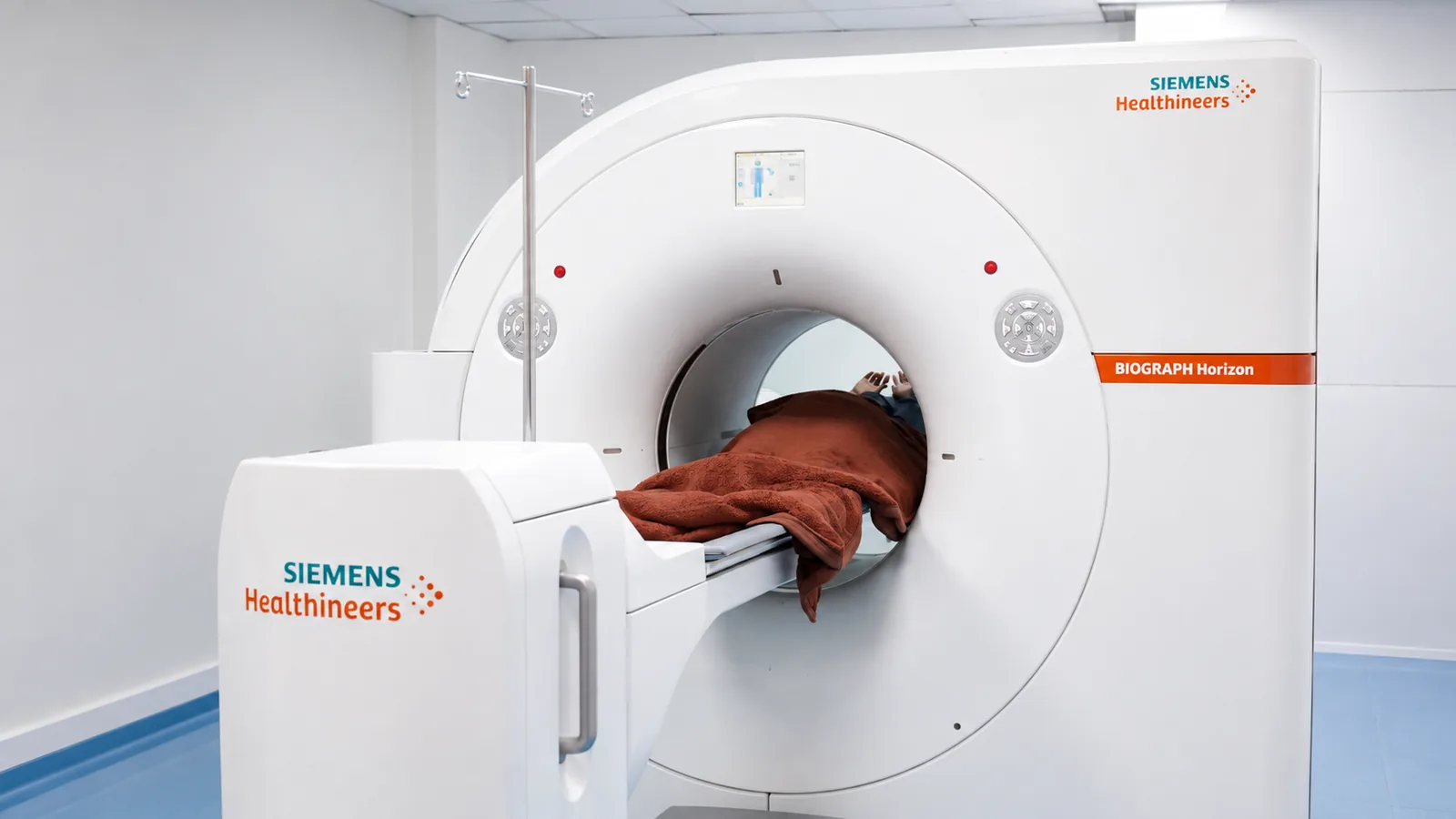 PET-CT scan in Lucknow: who needs one, and how to prepareUsually ordered at a frightening moment, and rarely explained. What the scan does, and exactly how to prepare for it.6 min read
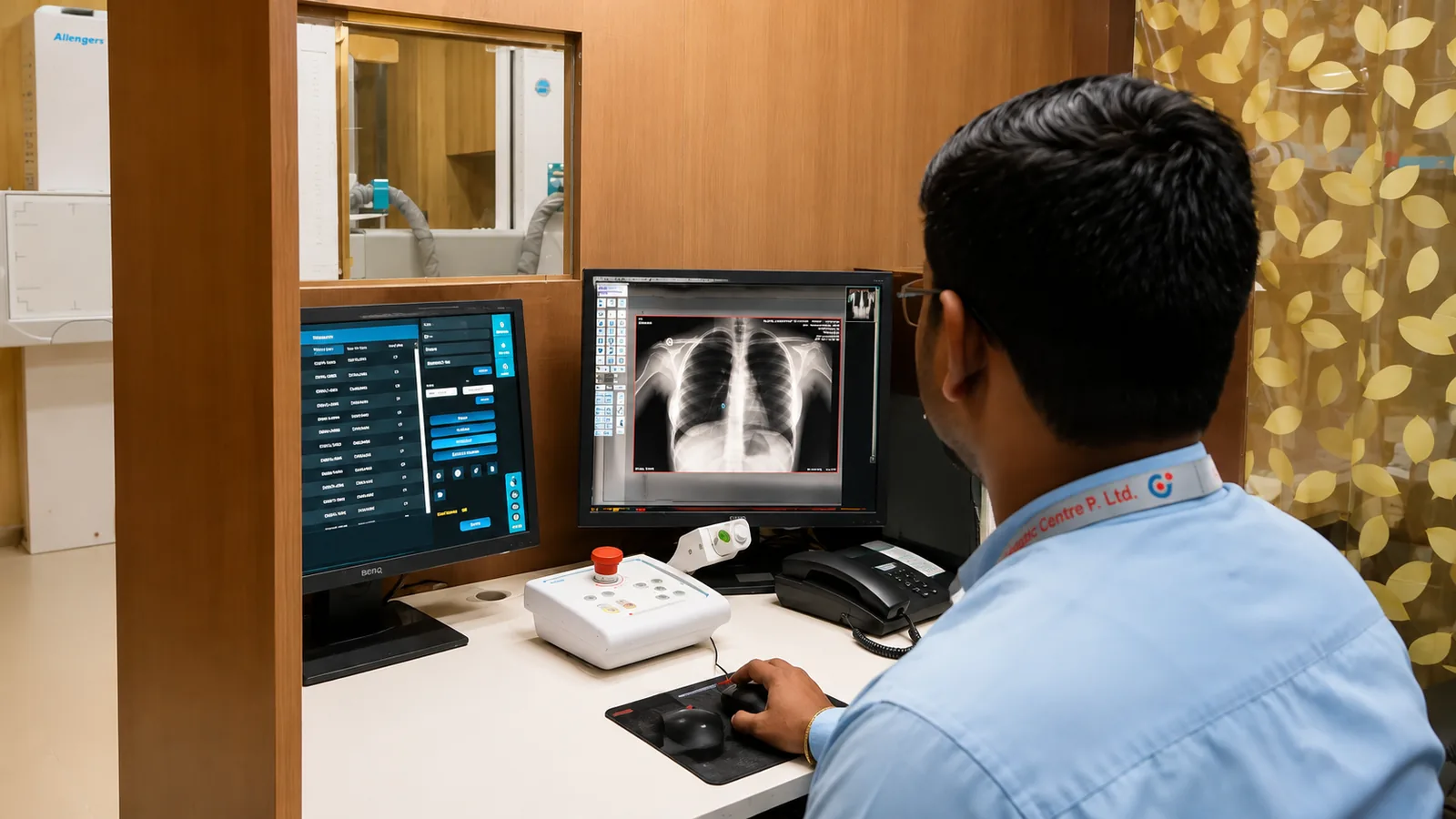 Digital X-ray in Lucknow: what it shows, and what it missesThe oldest imaging test, and still the right first answer for a lot of questions. What it sees, and what it does not.5 min read
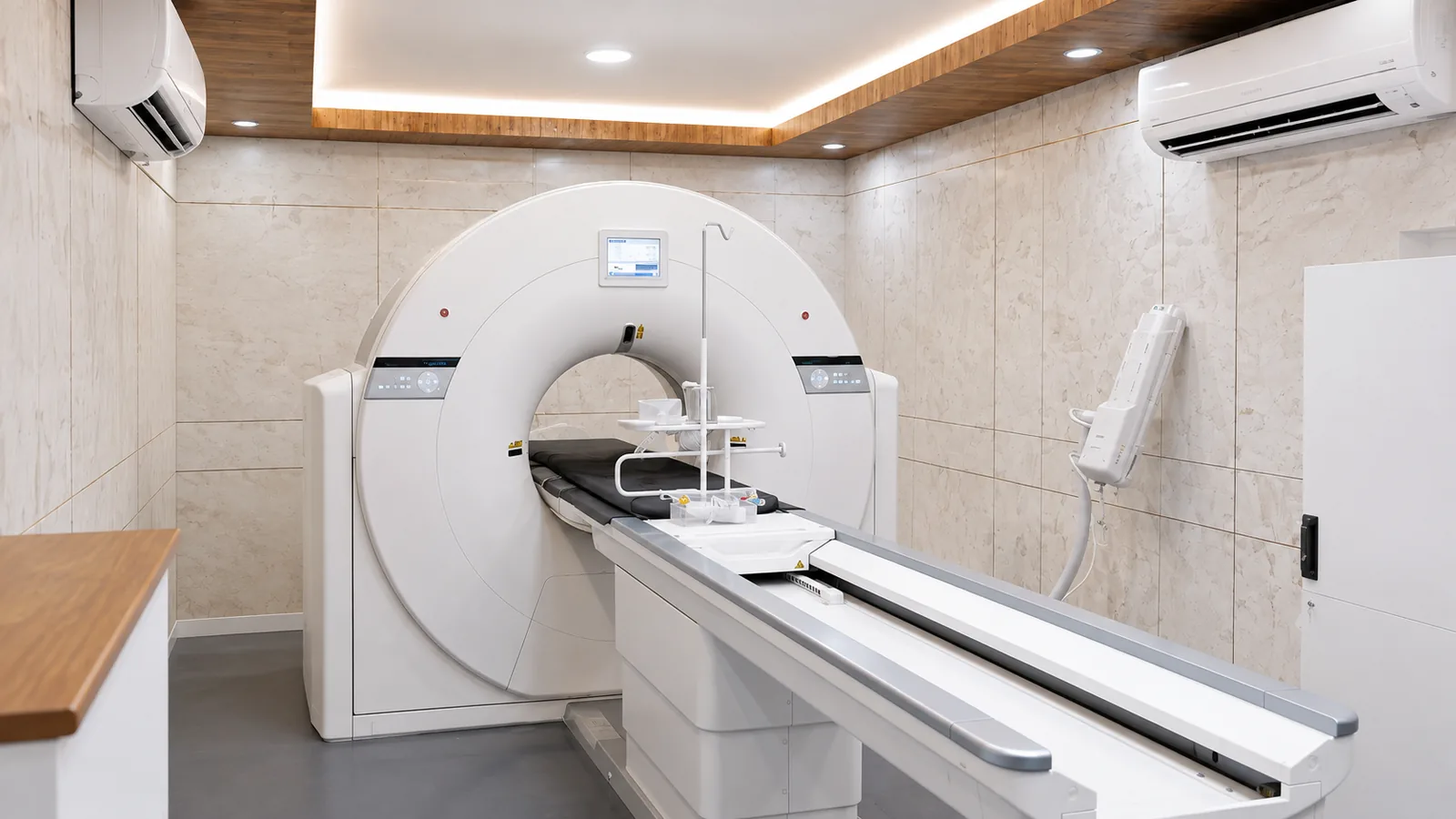 CT scan in Lucknow: preparation, contrast and radiation, explainedA CT takes minutes and answers questions an X-ray cannot. Here is how to prepare, and a straight answer on the radiation question.6 min read
Related services
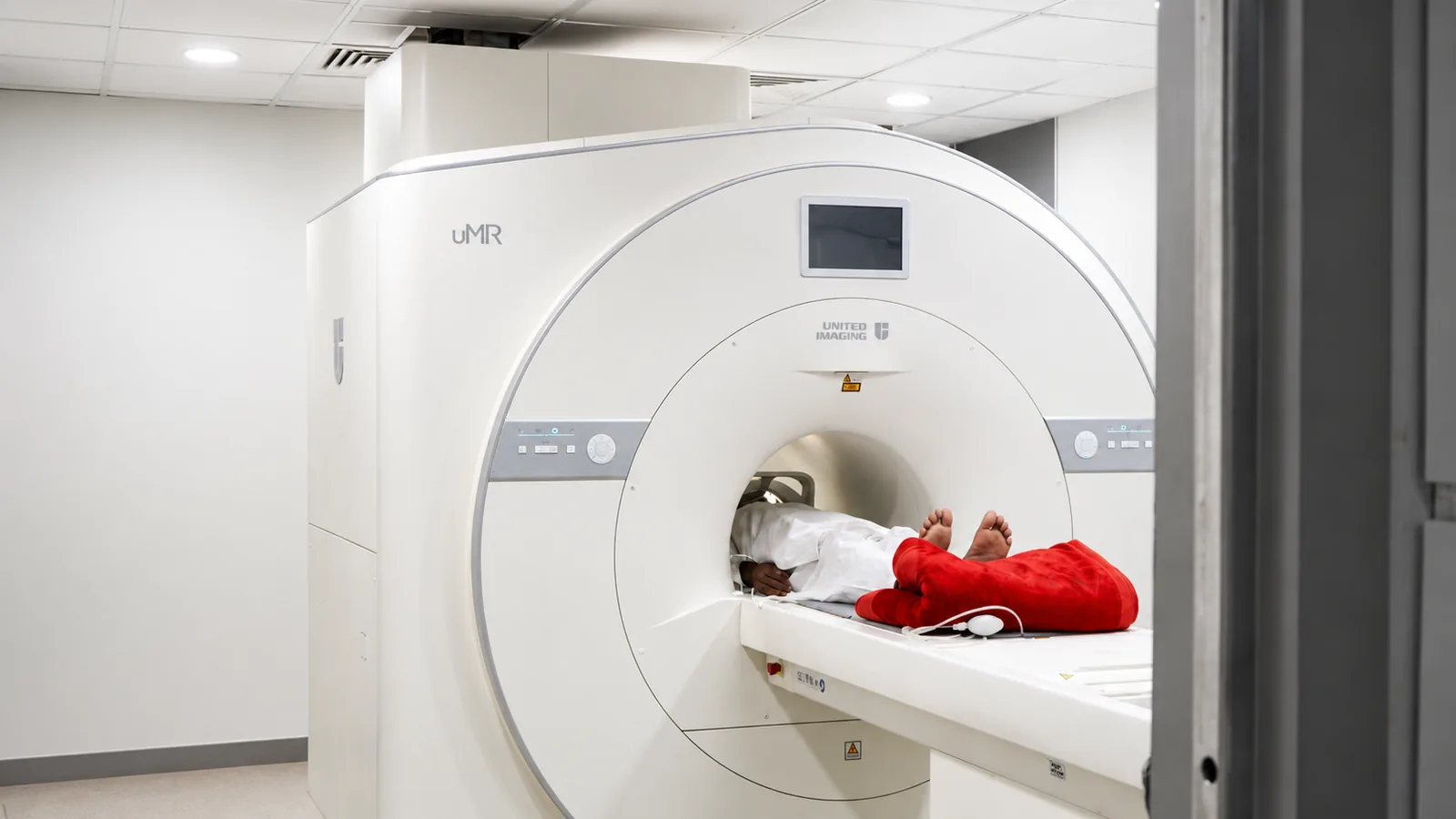
MRI
Detailed, radiation-free imaging of the brain, spine, joints and soft tissue.
Read more →Digital X-Ray
Fast, low-dose imaging of the chest, spine, abdomen and bones — with no film to wait for.
Read more →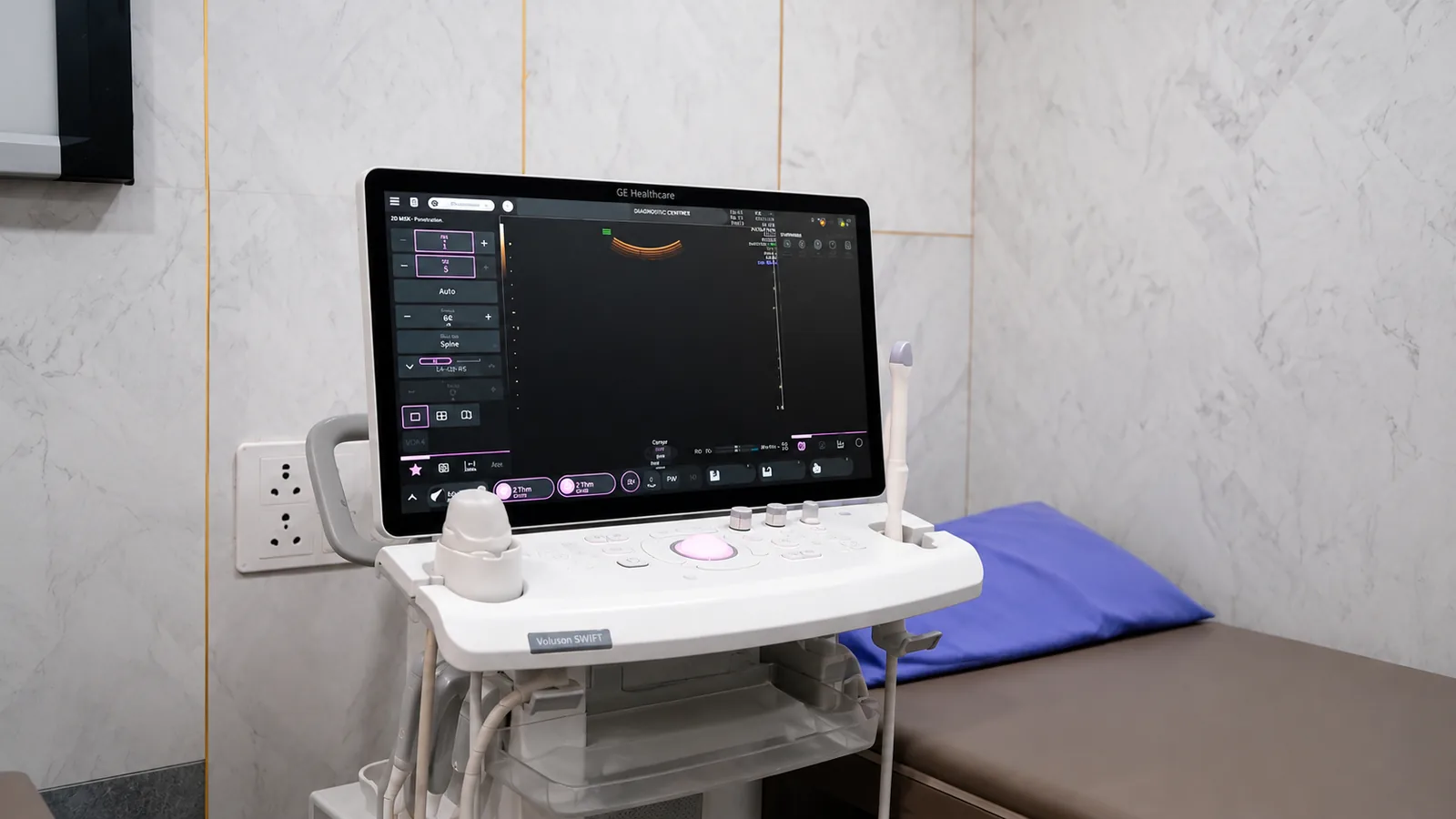
Ultrasound & Doppler
Safe, radiation-free imaging of the abdomen, pelvis, pregnancy and blood flow — in real time.
Read more →