Health Library / Preventive health
Tumour markers: why they are a poor cancer screening test
· 6 min read
Tumour marker panels appear in a great many premium health packages, marketed as cancer screening. They are among the least appropriate tests for that purpose, and it is worth understanding why before paying for one.
This is not an argument against cancer screening. It is an argument for the screening that actually works, and against the kind that mostly produces frightened people with normal scans.
What they are genuinely for
Tumour markers are substances measurable in blood that can be raised in certain cancers. Their established, valuable role is in people who already have a diagnosis: monitoring whether treatment is working, and detecting recurrence during follow-up. In that setting a rising trend in someone with known disease is meaningful information.
Some also help in assessing a specific abnormality already found — CA-125 alongside an ovarian mass on ultrasound, for instance. That is a very different use from measuring it in a well person with no findings at all.
Why screening the healthy goes wrong
The mathematics is unforgiving. Cancer is rare in any given healthy person, and these markers rise in many benign conditions — CA-125 in endometriosis, fibroids, ovulation, pregnancy, liver disease; CEA in smokers and in inflammatory bowel conditions; AFP in liver disease. So a raised marker in a well person is far more often benign than cancerous.
The consequence is not merely a wasted test. A raised marker leads to scans, sometimes to a biopsy, occasionally to a procedure with real complications, and reliably to weeks of fear — usually ending in the finding that nothing was wrong. That chain of harm is why professional bodies do not recommend marker panels for general screening.
The reverse failure matters too: markers can be normal in people who do have cancer, so a normal panel offers false reassurance. A test that neither reliably finds disease nor reliably excludes it is not a screening test.
What screening actually works
There are cancer screening tests with genuine evidence behind them, and they are worth far more attention than a marker panel.
PSA deserves a specific mention because it sits in both categories. It is a marker, and it is used in prostate cancer screening — but as a shared decision after a genuine discussion of benefits and harms, including over-diagnosis of cancers that would never have caused trouble. It is a conversation with your doctor, not a box on a package.
- Cervical cancer — Pap smear and HPV testing, on the schedule your doctor advises
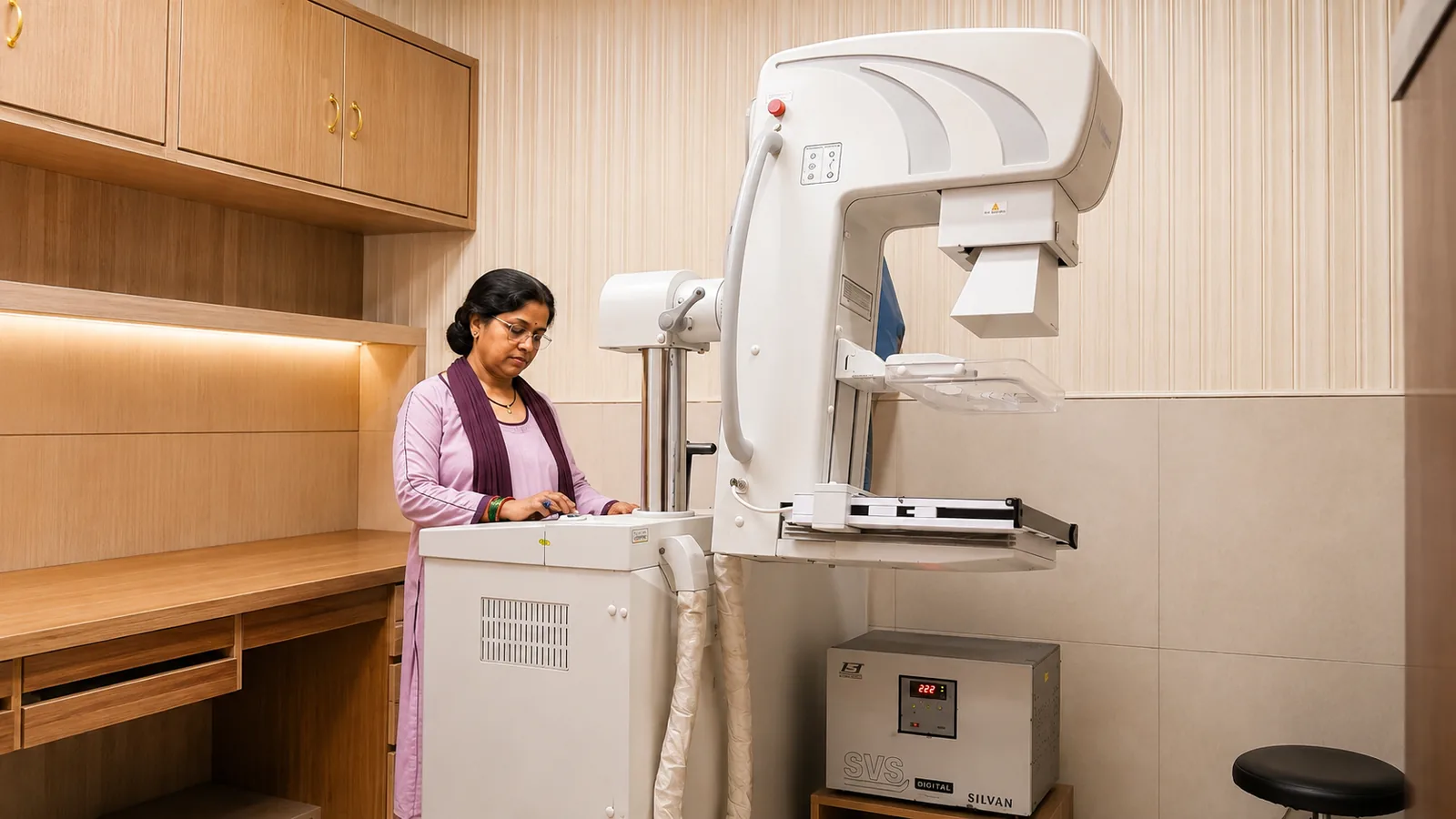
- Breast cancer — mammography from the age appropriate to your risk
- Colorectal cancer — stool-based testing or colonoscopy from the recommended age
- Oral cancer — examination, particularly important with tobacco use
- PSA — a discussion about prostate screening, not an automatic test
This article is general health information, not a diagnosis or a treatment plan. Test results are read alongside your symptoms and history — please discuss yours with your doctor. See our disclaimer.