Health Library / Seasonal & local
TB testing in Lucknow: which test confirms it, and why the old ones mislead
· 6 min read · Lucknow
India carries a large share of the world's tuberculosis, and Uttar Pradesh a large share of India's. TB is entirely curable with the right treatment taken to completion — the problem is almost always delay in diagnosis, not the absence of a cure.
That delay usually happens for a simple reason: the main symptom is a cough, and a cough gets attributed to dust, smoking or the winter air.
When to test
A cough lasting more than two to three weeks is the standard threshold to investigate, and it lowers further in anyone with diabetes, HIV, malnutrition, or close contact with a known TB case. Diabetes in particular raises TB risk substantially, which matters a great deal in this population.
The associated features are worth knowing because they often arrive before anyone thinks of TB: fever especially in the evenings, night sweats, unexplained weight loss, loss of appetite, and fatigue. Coughing blood needs assessment immediately.
The tests that actually confirm it
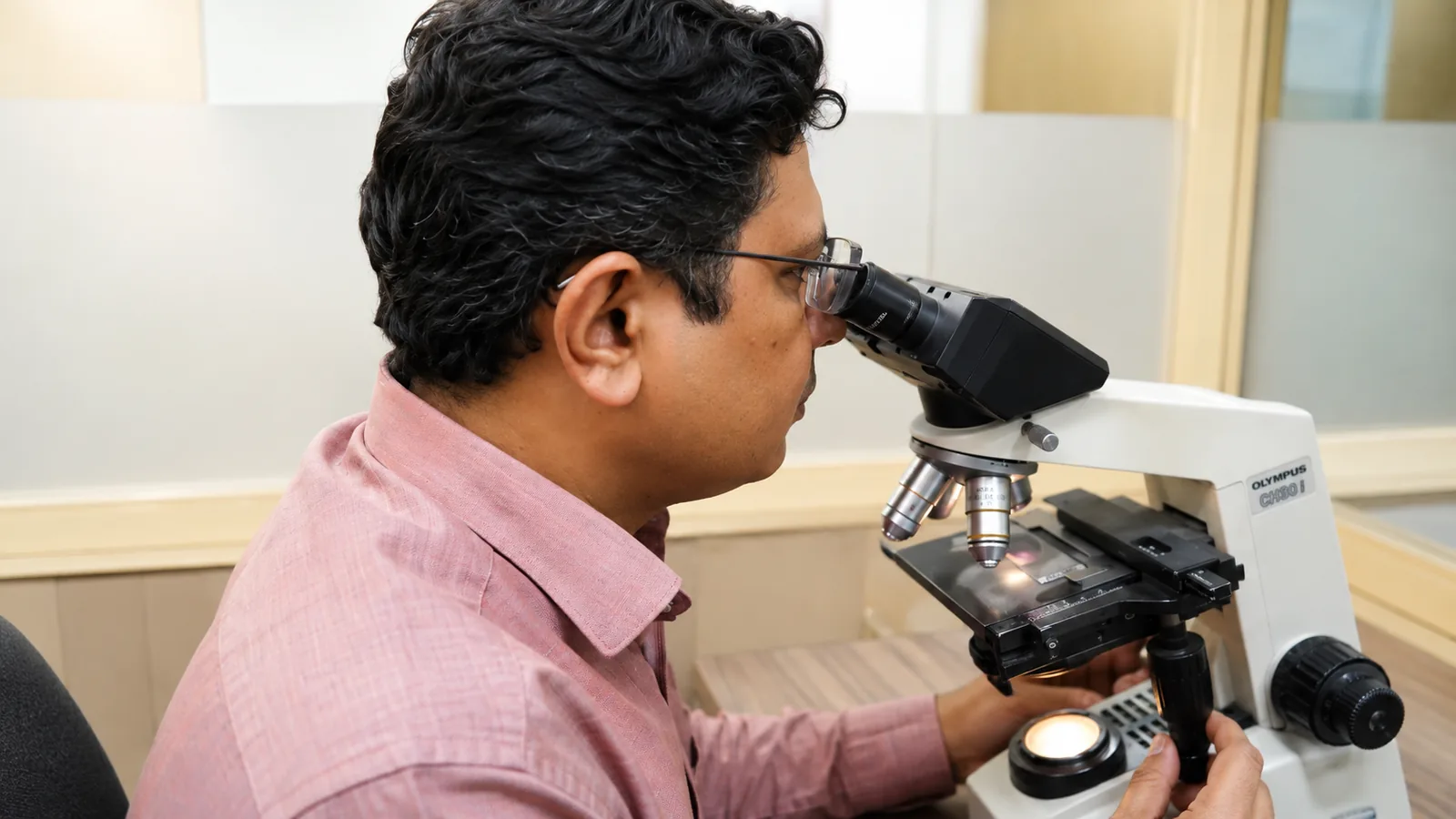
Sputum examination is the foundation. Microscopy looks for the bacilli directly; it is cheap and fast but misses milder cases. Molecular testing — NAAT methods such as cartridge-based PCR — is considerably more sensitive, gives a result in hours rather than weeks, and importantly also detects rifampicin resistance, which changes treatment immediately. Where available it is the preferred first test.
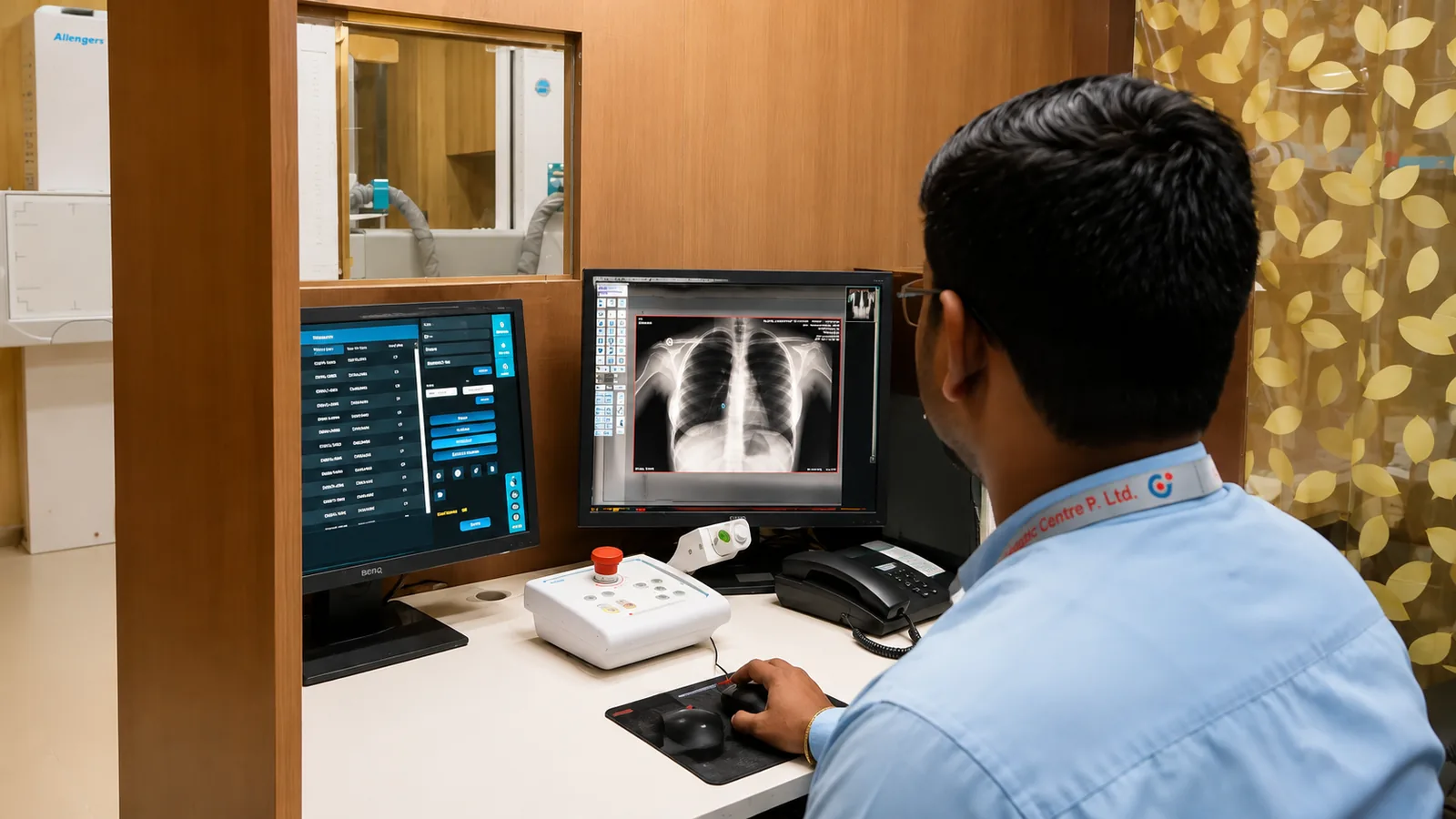
Culture remains the reference standard and gives full drug sensitivity, but takes weeks. A chest X-ray shows changes suggestive of TB and is used alongside, though it cannot confirm the diagnosis by itself — many conditions look similar on a film.
For TB outside the lungs — lymph nodes, spine, abdomen — the sample has to come from the affected site, through aspiration or biopsy, with testing done on that tissue.
- Sputum microscopy — fast, cheap, misses milder cases
- Molecular NAAT / PCR — sensitive, hours not weeks, and detects rifampicin resistance
- Culture — the reference standard, with full drug sensitivity, but slow
- Chest X-ray — supportive, never confirmatory on its own
The test to avoid, and latent TB
Serological blood antibody tests for active TB are unreliable and have been specifically discouraged by the World Health Organization and banned for use in India. If a laboratory offers you a blood antibody test to diagnose active TB, that is a reason to go elsewhere.
A separate matter is latent TB — infection without active disease — which is assessed with a tuberculin skin test or an IGRA blood test. Neither of these diagnoses active TB, and in a country where much of the population has been exposed, a positive result on its own means considerably less than people assume. They are used in specific situations, such as before starting immunosuppressive treatment, on specialist advice.
One more thing worth saying: TB diagnosis and treatment are available free through India's national programme, and treatment must be completed even after symptoms settle. Stopping early is how drug resistance is created.
This article is general health information, not a diagnosis or a treatment plan. Test results are read alongside your symptoms and history — please discuss yours with your doctor. See our disclaimer.