Health Library / Diabetes & thyroid
HbA1c vs fasting sugar: why doctors want both
· 5 min read
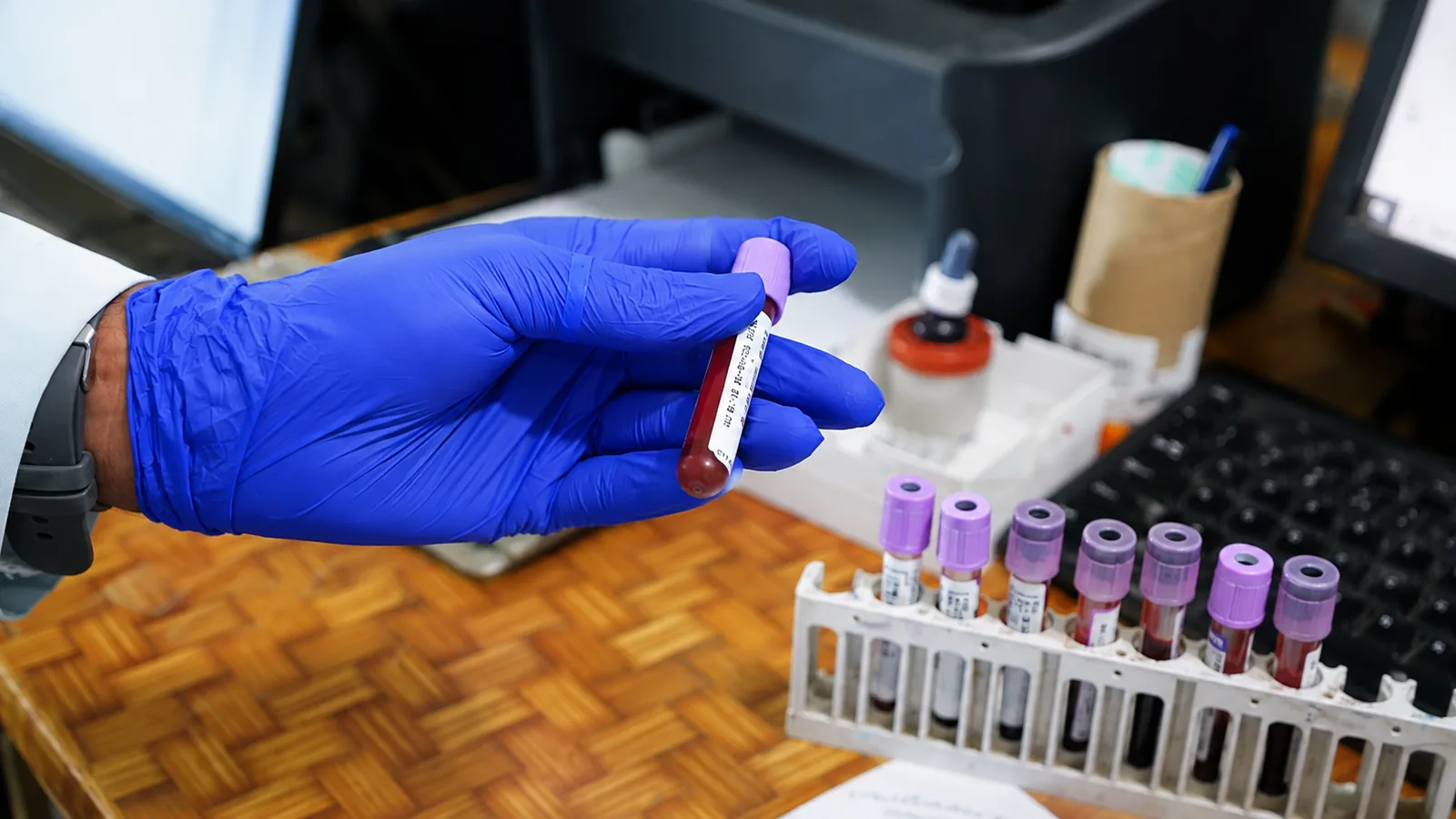
Two tests dominate diabetes care, and they answer different questions. Fasting blood sugar asks: what is your glucose RIGHT NOW, on an empty stomach? HbA1c asks: what has your glucose averaged over the last three months? Neither replaces the other, which is why your doctor keeps ordering both.
How HbA1c can 'see' three months back
Glucose in the blood sticks to haemoglobin inside red cells, and once stuck, it stays stuck for the life of that cell — about 120 days. HbA1c measures what fraction of your haemoglobin is glycated, which makes it a running average of your sugar over roughly three months. Skipping sweets the week before your test does not move it; that is precisely its value.
Why the snapshot still matters
The fasting value catches what an average smooths over: day-to-day control, the effect of last night's dose, an unusually high or low morning. In monitoring, the pair work together — the fasting number for the immediate picture, the HbA1c for the honest trend. In diagnosis, doctors use defined thresholds for each, usually confirmed by a repeat before any label is applied.
Practicalities
Fasting sugar needs a 10–12 hour fast; HbA1c needs none, and can be done at any time of day. Both are simple blood draws that home collection handles in one visit — a convenient combination, since one of them requires you hungry and the other doesn't care.
Targets are individual: age, other conditions and medications all shift what 'good control' means for you. Read your numbers with your doctor, not against a friend's report.
This article is general health information, not a diagnosis or a treatment plan. Test results are read alongside your symptoms and history — please discuss yours with your doctor. See our disclaimer.