Health Library / Preventive health
Full body checkups: who actually needs one, and how to choose
· 7 min read
The conditions that do the most quiet damage — diabetes, high blood pressure, high cholesterol, early kidney and liver strain — are precisely the ones that produce no symptoms for years. That is the honest case for preventive testing: not fear, but the fact that the cheapest time to catch these is before you feel them.
The equally honest caveat: more tests is not automatically better. A well-chosen package covers the high-yield basics; an oversized one mostly buys anxiety. Here is how to choose sensibly.
Who benefits most
A periodic checkup earns its keep if any of these apply:
- Age 35+ with no recent testing — risk rises quietly with age
- Family history of diabetes, heart disease or thyroid problems
- Overweight, sedentary work, smoking, or high stress
- Known borderline results in the past ('prediabetes', 'borderline cholesterol')
- Simply never tested — a baseline makes every future test more informative
What a sensible package contains, and why
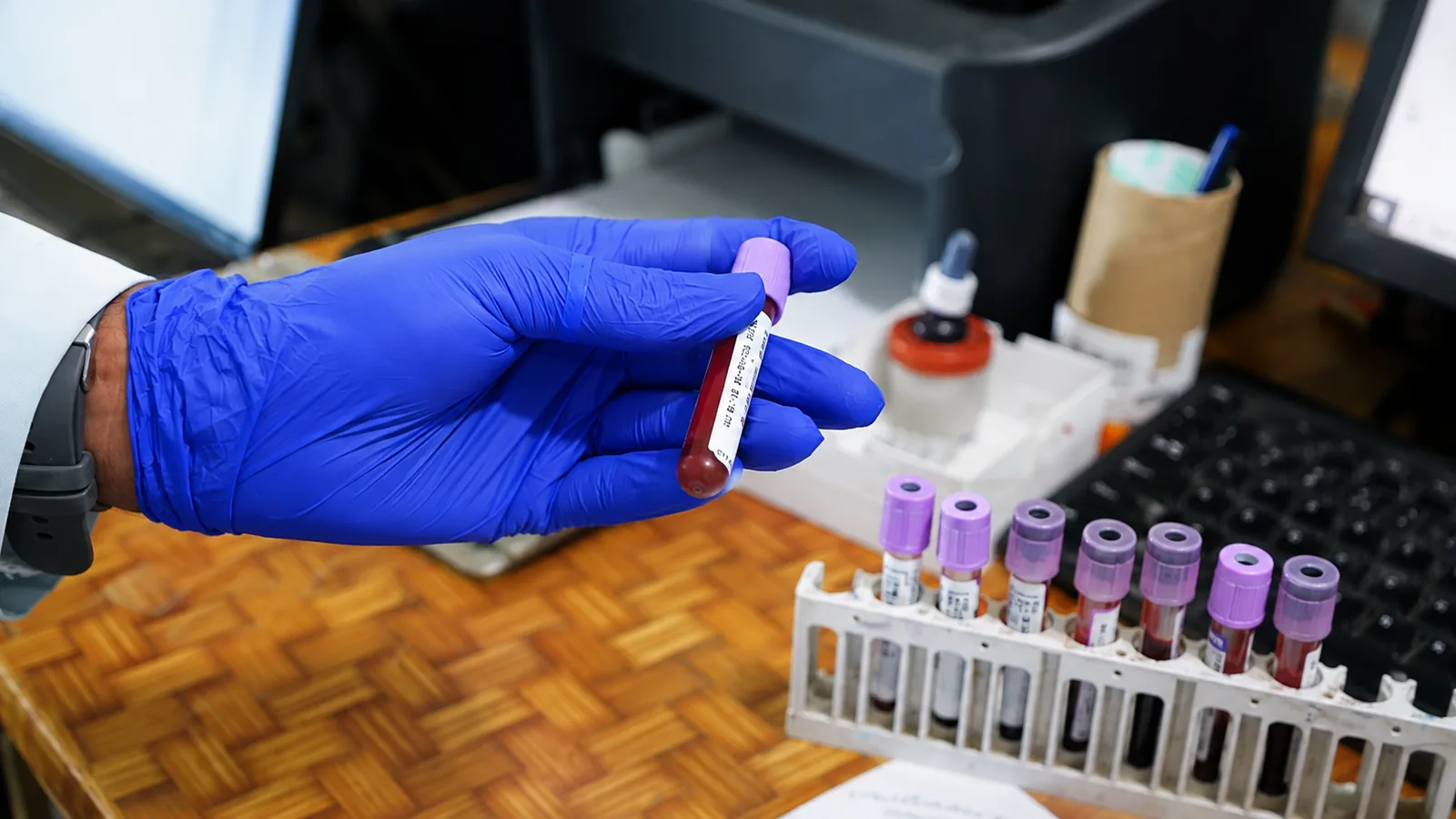
The core of every good checkup is the same, because the high-yield conditions are the same: a CBC (anaemia, infection), fasting sugar and HbA1c (diabetes), a lipid profile (heart risk), liver and kidney function tests, a thyroid profile, and a urine examination. That set covers the great majority of silent, treatable problems.
Larger packages add vitamin D and B12 (very commonly low in India), iron studies, inflammation markers — and, at the top end, an ECG, chest X-ray and ultrasound. The imaging tier makes most sense over 40 or where a doctor has a specific reason; it is also why the biggest packages need a centre visit rather than home collection.
How often?
For most healthy adults, once a year is plenty; some doctors advise every two years under 35 with normal results. What matters more than frequency is CONSISTENCY — the same panel, repeated, turns isolated numbers into a trend, and the trend is where early disease shows itself.
Getting it done without disruption
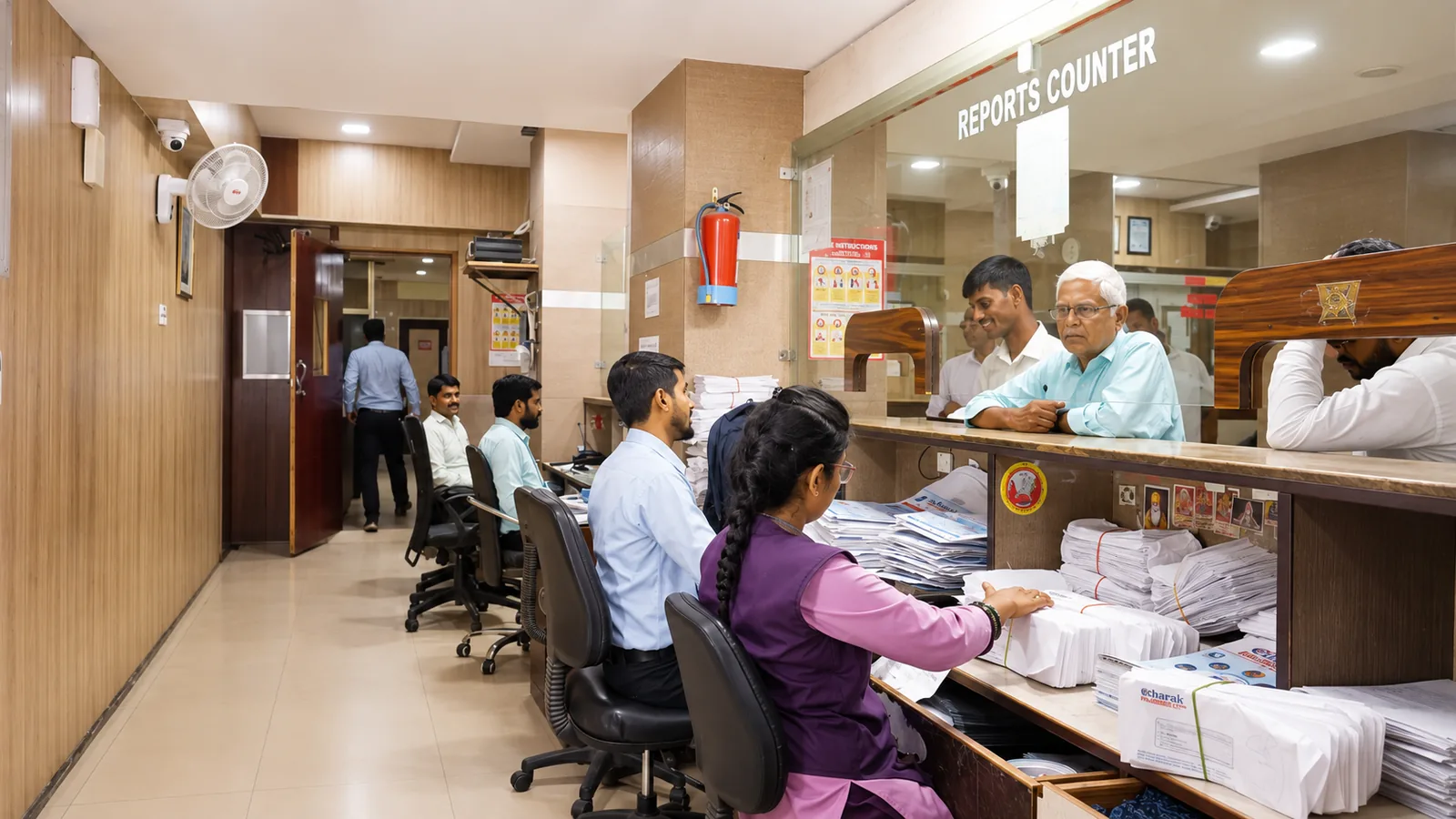
All-blood packages can be collected at home in a single fasting morning draw. Book a morning slot, fast overnight, and the reports are typically online the same day — ready to take to your doctor, which is the step that actually turns a checkup into better health.
This article is general health information, not a diagnosis or a treatment plan. Test results are read alongside your symptoms and history — please discuss yours with your doctor. See our disclaimer.