Health Library / Blood tests
Blood tests for children in Lucknow: making it easier, and what is worth doing
· 5 min read · Lucknow
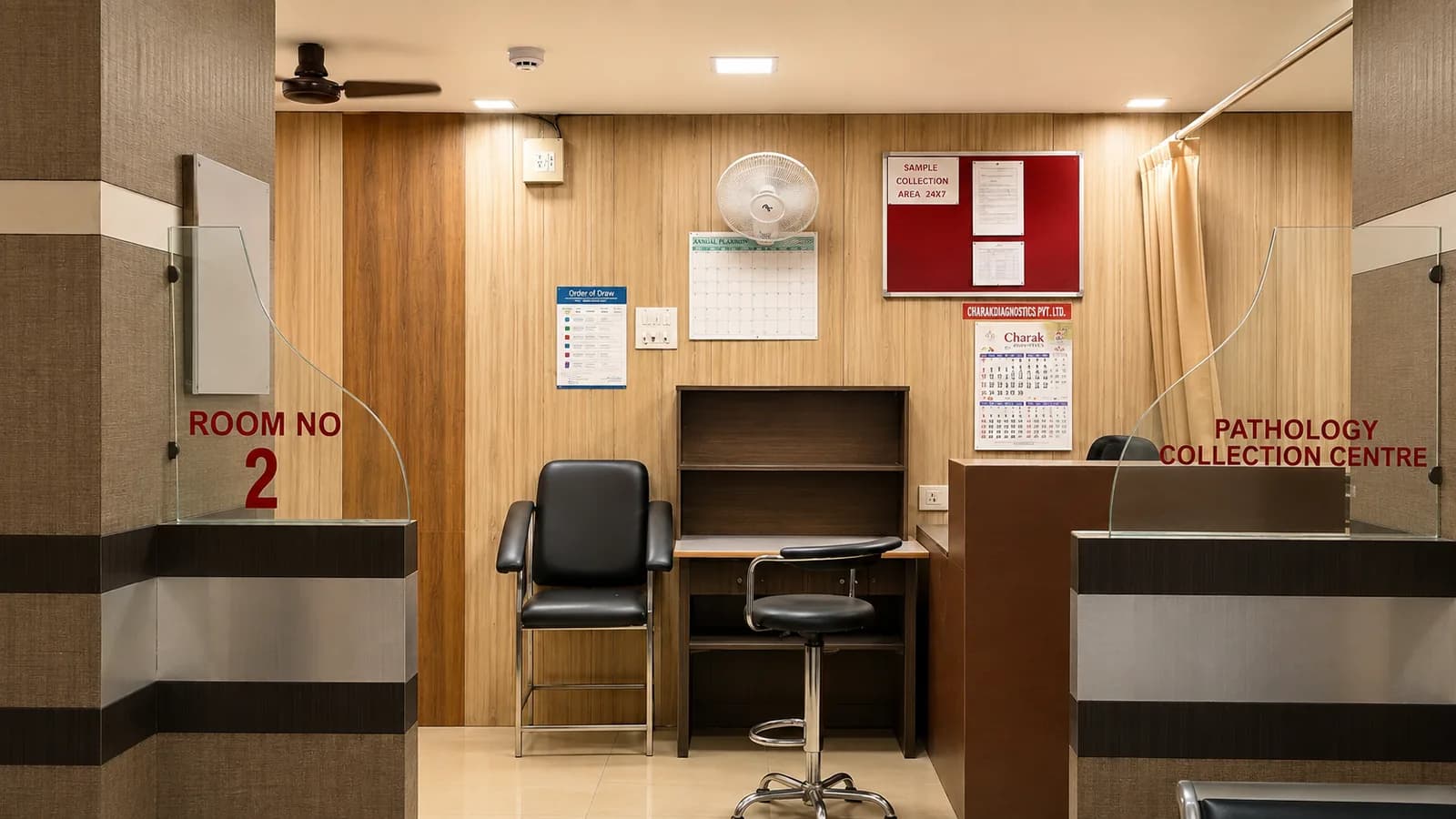
Taking a child for a blood test is a small ordeal for most families, and much of the difficulty is anticipation rather than the draw itself. A few things genuinely reduce it, and they are worth knowing before the appointment rather than during it.
The other half of the question is which tests are worth doing at all — children are tested more often than they need to be, and each unnecessary test has a real cost in distress.
Making the draw easier
Do not spring it on them, and do not promise it will not hurt — a child who is told an untruth once is much harder to bring back the next time. Explain simply and honestly: a quick pinch, over in a few seconds, and then it is done.
Hydration helps considerably. Unless the test requires fasting, let a child drink water freely beforehand; well-hydrated veins are easier and quicker to find, which shortens the whole thing. Bring a distraction, let them sit on your lap where the collector allows it, and stay calm yourself — children read a parent's anxiety faster than they read the needle.
- Explain honestly and briefly, shortly before rather than days ahead
- Keep them hydrated unless fasting is required
- Bring a favourite toy, a phone, or anything absorbing
- Ask about a numbing cream in advance if your child has had a difficult experience
- Mention previous difficult draws when booking, so a more experienced collector can be assigned
The tests children commonly need
A CBC is the most frequent, largely for anaemia — which is very common in Indian children and worth finding, because it affects growth, concentration and school performance. Iron studies follow where anaemia is found.
Vitamin D deficiency is common in children too, and thyroid testing is done where growth or development raises a question. In prolonged or recurrent fever, tests for typhoid, dengue or malaria are used according to the season and the picture — the same seasonal logic that applies to adults in Lucknow.
Broad screening panels in a well child are rarely useful. If a test would not change anything, it is not worth the distress of the draw.
When a child needs care rather than a test
Some situations need a doctor now, not a laboratory. Any fever in an infant under three months. Difficulty breathing, or fast noisy breathing. A child who is unusually drowsy, floppy, or difficult to wake. Persistent vomiting, or signs of dehydration — no urine for many hours, no tears, a dry mouth.
Also: a rash that does not fade when pressed with a glass, a stiff neck with fever, a seizure, or any parental sense that something is seriously wrong. That last one is not a soft criterion — it is a good one, and doctors take it seriously.
This article is general health information, not a diagnosis or a treatment plan. Test results are read alongside your symptoms and history — please discuss yours with your doctor. See our disclaimer.