Health Library / Seasonal & local
Monsoon fever in Lucknow: is it dengue, typhoid, malaria — or none of them?
· 6 min read · Lucknow
From July through September, a fever in Lucknow has a longer list of possible causes than at any other time of year. Standing water breeds mosquitoes, water supply gets contaminated more easily, and the same three or four diagnoses come up again and again.
They are not distinguishable by how bad the fever feels. They are distinguishable by pattern, by accompanying symptoms, and ultimately by test — and treating the wrong one wastes the week that matters.
What each one tends to look like
These are tendencies, not rules — plenty of real cases break the pattern, which is exactly why testing exists. But they are what makes a doctor lean one way before the report arrives.
Dengue typically starts abruptly with high fever, severe body and joint aches, pain behind the eyes, and sometimes a rash. Malaria classically comes in cycles with chills and rigors followed by sweating. Typhoid tends to build more slowly — a fever that climbs over several days, often with abdominal discomfort and constipation as often as diarrhoea. A plain viral fever usually comes with upper respiratory symptoms and settles within a few days.
Which test settles which
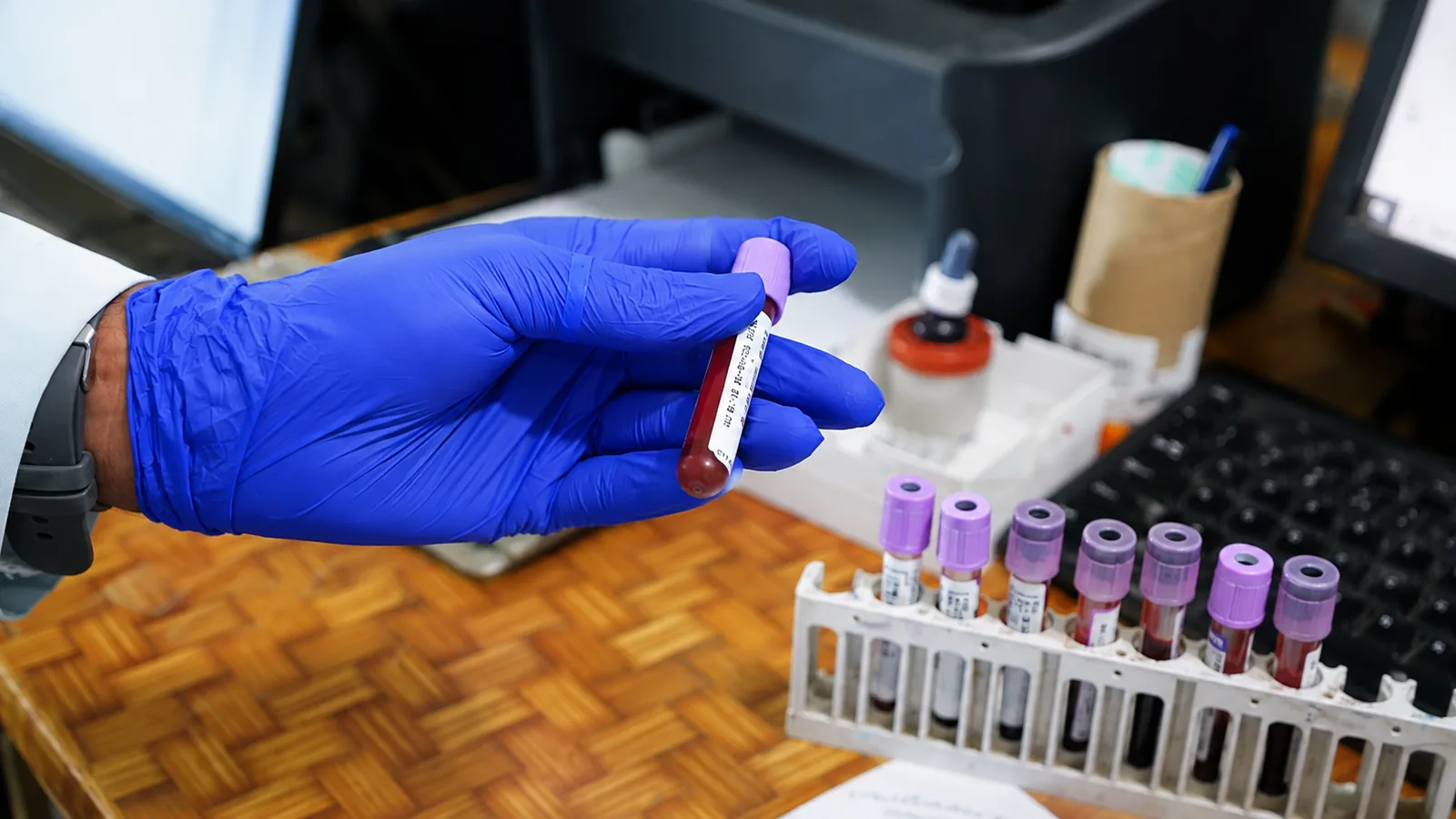
Each of these has a test that is genuinely diagnostic, and timing again decides which is worth doing.
- Dengue — NS1 antigen in the first five days, IgM antibody after that, with a CBC to follow platelets
- Malaria — a peripheral smear or rapid antigen test, ideally taken during or close to a fever spike
- Typhoid — blood culture is the most reliable, and is most useful in the first week, before antibiotics are started
- Viral fever — largely a diagnosis of exclusion, supported by a CBC and CRP
The one thing that undermines a typhoid diagnosis
Starting antibiotics before a blood culture is taken substantially reduces the chance of growing the organism, which is how a typhoid diagnosis is confirmed and how the right antibiotic is chosen. If your doctor is considering typhoid, the culture is best drawn before the first dose, not after.
The Widal test is still widely requested and is much weaker than its reputation: it can be positive from a past infection or vaccination and negative early in a genuine one. It is read with caution and never as a standalone answer.
When a fever should not wait for a report
Testing is for working out what an illness is. Some situations need care before that answer arrives — breathlessness, confusion or drowsiness, persistent vomiting, bleeding, a fever above 40°C, seizures, or a fever in an infant, an elderly person, a pregnant woman, or anyone whose immunity is compromised.
For everyone else, the practical route is a doctor's assessment, the right test on the right day, and home collection if travelling with a fever is going to make the day worse than it needs to be.
This article is general health information, not a diagnosis or a treatment plan. Test results are read alongside your symptoms and history — please discuss yours with your doctor. See our disclaimer.