Health Library / Women's health
Pregnancy tests and scans in Lucknow: the antenatal schedule, explained
· 7 min read · Lucknow
The first antenatal appointment usually ends with a printed list of tests and very little time to ask what any of them are for. Most are simple, most are one-off, and each is looking for something specific that is worth finding early.
Your obstetrician decides the schedule for your pregnancy — this is a guide to what the standard items mean, not a substitute for that plan.
The first-trimester bloods
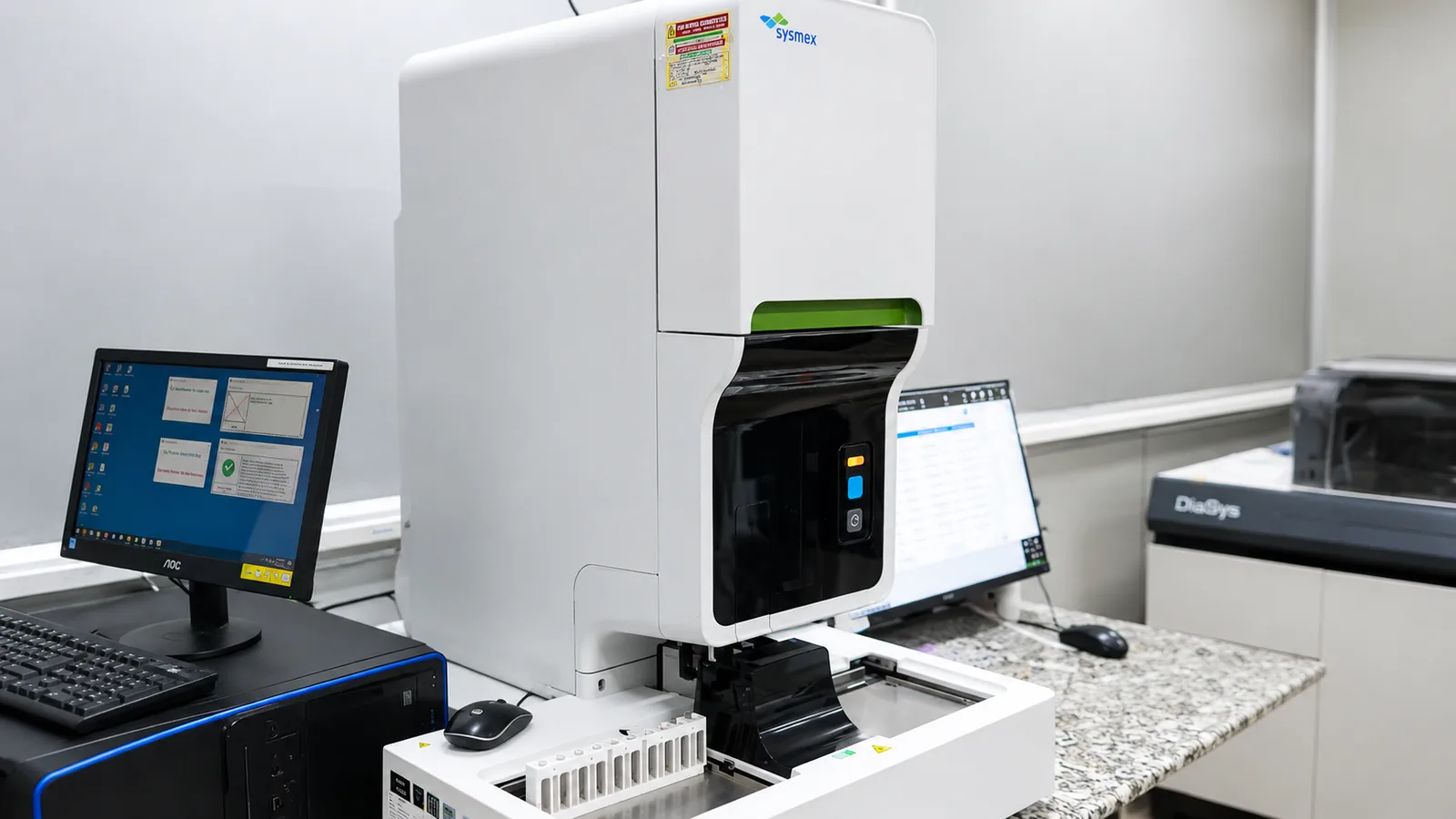
The booking panel is largely about finding things that are silent and treatable. Blood group and Rh typing matters particularly if you are Rh negative, because anti-D prophylaxis prevents a serious problem in this and future pregnancies. Haemoglobin matters because anaemia is very common in Indian pregnancies and affects both mother and baby.
Thyroid function is checked because untreated hypothyroidism in pregnancy matters, and is judged against trimester-specific ranges rather than ordinary adult ones. Infection screening — hepatitis B, HIV, syphilis — is standard, because each has an intervention that protects the baby when known about in advance.
- Blood group and Rh typing, with antibody screening
- CBC, for anaemia and platelets
- Blood sugar, and TSH
- Hepatitis B, HIV and syphilis screening
- Urine routine and culture — symptomless urinary infection is common in pregnancy and worth treating
The scans, and what each one is for
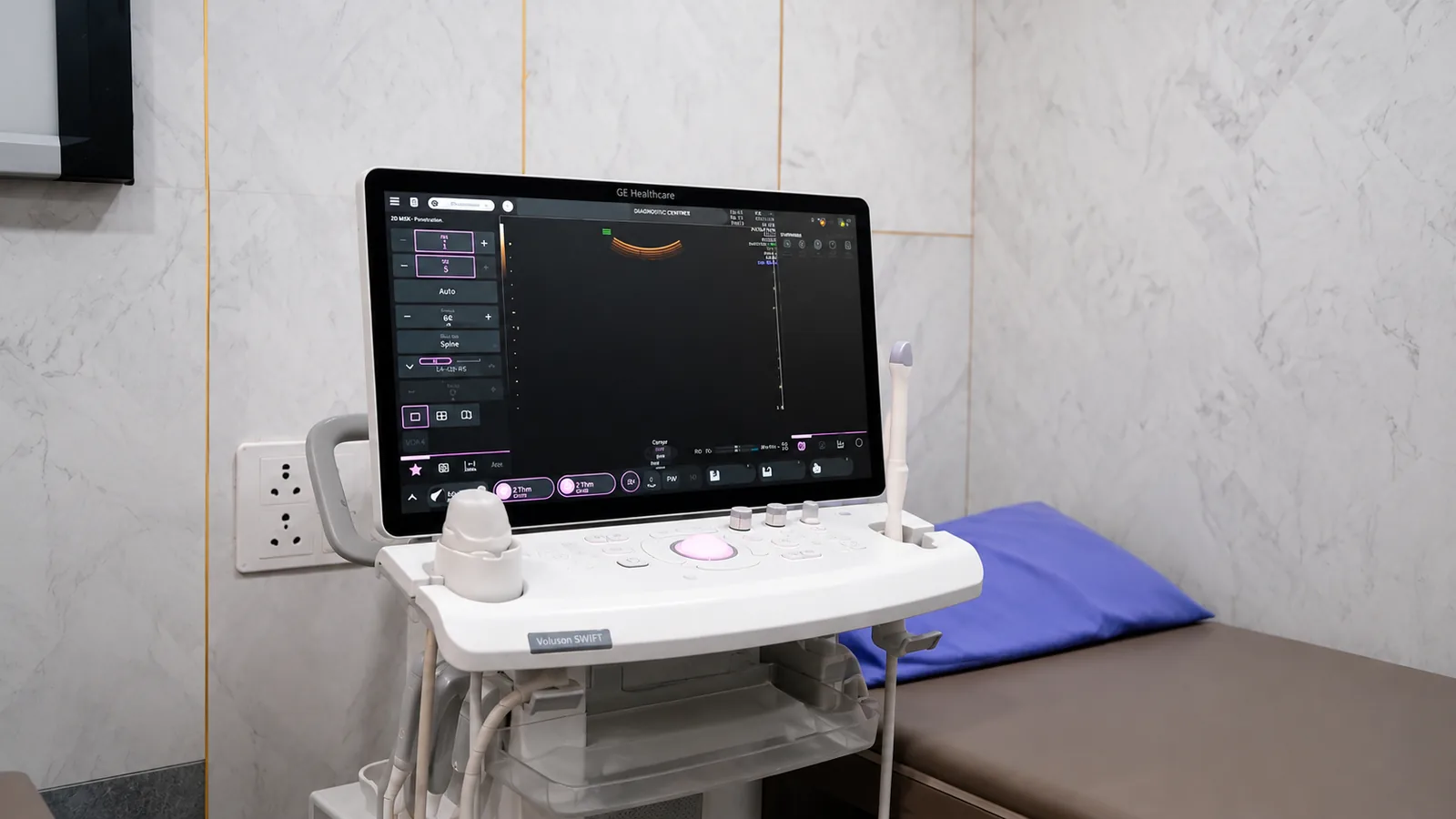
An early dating scan confirms the pregnancy is in the uterus, checks the heartbeat, and establishes gestational age — which every later decision is measured against.
The NT scan around 11 to 13 weeks measures nuchal translucency and is combined with blood markers to assess chromosomal risk. It is a risk assessment, not a diagnosis, and a screen-positive result leads to a discussion about further testing rather than to a conclusion.
The anomaly scan at around 18 to 22 weeks is the detailed structural examination of the baby. Later growth scans check that the baby is growing appropriately, along with fluid and placental position, and a Doppler study may be added where growth or blood flow needs closer assessment.
Sugar in pregnancy, and the law on sex determination
Gestational diabetes is screened for with an oral glucose tolerance test, usually around 24 to 28 weeks and earlier where risk is higher. It matters because it is common, usually symptomless, and manageable — and because unmanaged it affects delivery and the baby's size. The test takes a couple of hours and involves timed samples, so plan for the morning.
One thing must be said plainly, because it is asked in every scan room in India. Under the PCPNDT Act, 1994, determining or disclosing the sex of a foetus is illegal. No registered centre does it and no doctor will tell you. Every prenatal scan at Charak, as at any legitimate centre in Lucknow, is performed and recorded strictly within that Act.
This article is general health information, not a diagnosis or a treatment plan. Test results are read alongside your symptoms and history — please discuss yours with your doctor. See our disclaimer.